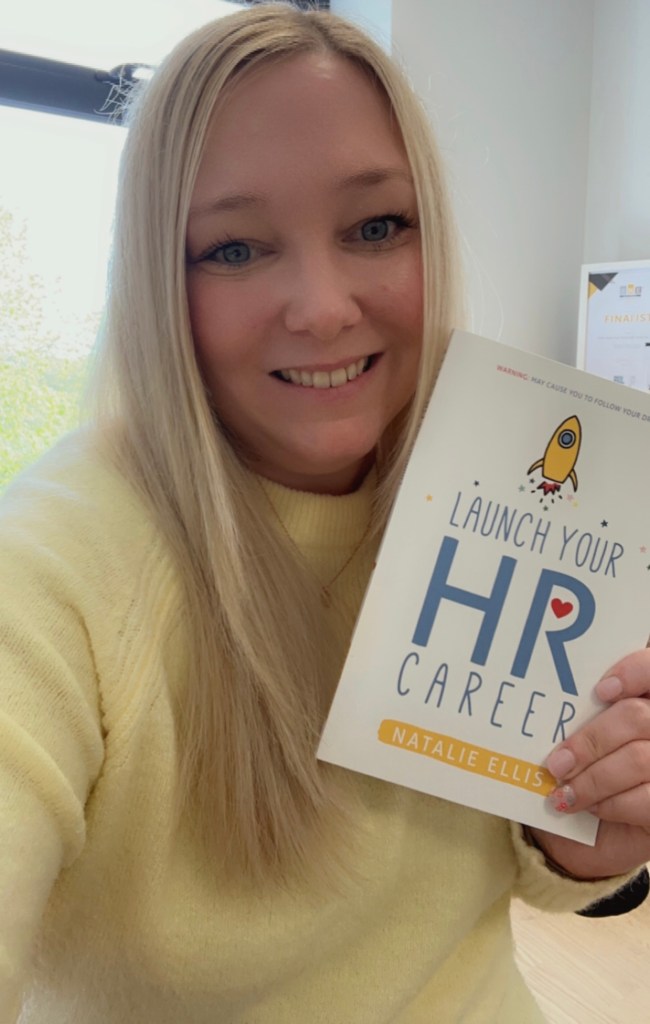
A career in HR offers so many opportunities for professionals who are committed to continuous learning and strategic development. When I wrote “Launch Your HR Career” this was just a starting point to inspire those new to the HR profession, but when we are more established and making great strides, we naturally look at progression opportunities.
So, if you are in just that situation, or have been considering a leap for a while, I created this blog, just for you! Here are some of my essential strategies to help you on your way.
I get asked this question so often, I have written this handy post for anyone looking to upgrade their CIPD membership to become a Chartered Member of the CIPD.
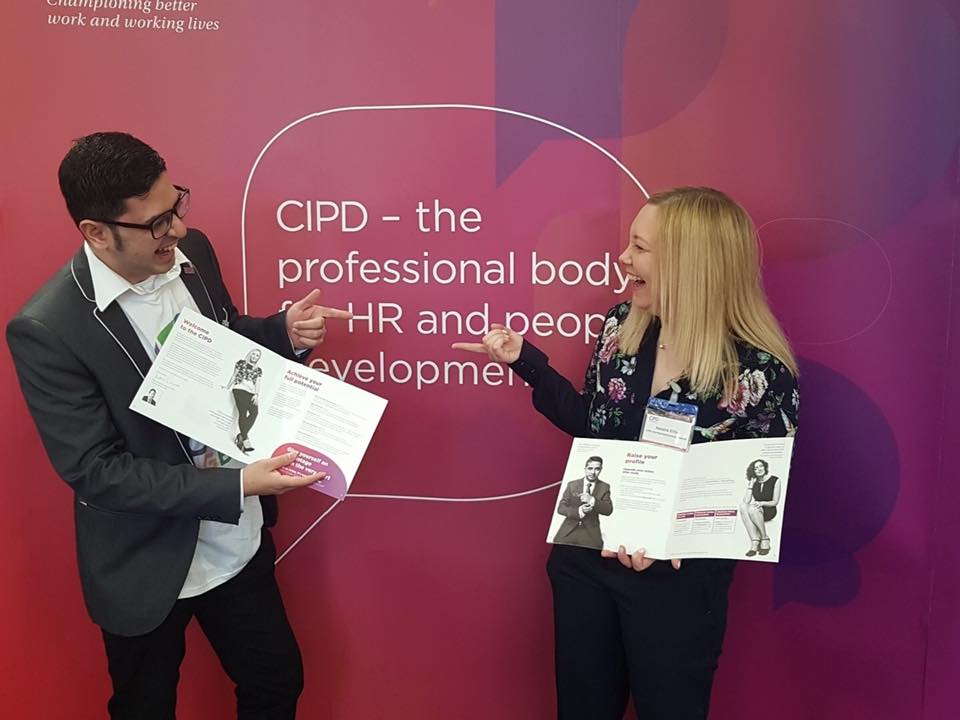
I love hearing about people’s CIPD journey, their individual experiences of success bring me joy! Everyone achieves their career successes in a unique way, so I never tire of hearing what got them to where they are now. This is what Dipesh and I are discussing in the picture above. It is absolutely one of my favourite pictures of my career!
As HR professionals, we often find ourselves at a crossroads of organisational interests and ethical responsibilities. Achieving a balance, being aware of our responsibilities, all whilst juggling the needs of the business and ethical boundaries; it is no wonder that I get asked this often at events I speak at.
For many, this is an uncomfortable position to be in, for example, how many times have you been asked to cross the line when it comes to dismissals because that person doesn’t fit in, but no other reasons behind it? Or may be an issue has been swept under the carpet, yet something obviously should have been done about it, yet the person is bein protected because of who they are etc.?
I have been inspired to write this post after I recently read the books The Comfort Zone and The Key to Positivity by Kristen Butler. I found both books were incredibly inspiring, and when juggling running a business, managing a team, and all whilst trying to spend time with family and friends, it’s safe to say it is difficult to stay positive consistently when managing stress.
Managing stress is a subject I have studied for many years, not just as part of my CIPD studies, but when meeting the many different people I am fortunate to work with. I am always curious to find out what works for people, because the answers are never the same, from the variety of solutions available, it is interesting to learn from others on what works for them.
Imposter Syndrome is becoming an increasingly recognised concept, and to be frank: it’s an HR issue. Employers need to ensure that their workforce are empowered, motivated and well-adjusted in their work lives if they are to be of tangible benefit to the company and its mission and goals. Combatting imposter syndrome amongst employees is just one part of achieving this, but it too is something that those working in HR can suffer from as they put the wellbeing and career needs of others ahead of themselves (after all, HR are the ‘people people’!).
Thankfully, as imposter syndrome becomes better known and acknowledged, there are methods HR departments can use to help defeat it amongst staff; and themselves.
What is Imposter Syndrome?
Imposter syndrome is the anxious belief that the individual is undeserving of the success, role, situation or progression they find themselves in. It is deep-rooted self-doubt that convinces the person affected that their achievements have been obtained as a result of luck rather than qualification and hard work – no matter how much the latter may be the case.
There are many different types of imposter syndrome and it can be experienced by anyone. It is not limited to those already living with mental illness.
Why is Imposter Syndrome an issue for HR departments?
Imposter syndrome is an issue for HR departments as it loosens company culture, can create an unhealthy working environment and can isolate employees from one another. As those living with imposter syndrome are likely to be afraid of failure, they may also be less likely to raise new ideas, innovate or try things differently, which can stifle business growth and development.
Anyone working in HR will already know how easy it is to lose track of their own wellbeing at work as they focus on that of others, but imposter syndrome in particular can make it difficult for them to effectively manage the empowerment and wellbeing of others; and can get in the way of difficult employment conversations and decisions.
What can HR do to tackle Imposter Syndrome?
Imposter syndrome may be suffered by individuals, but it can be tackled through company culture as a whole.
Foster a culture of diversity and inclusion. Every employee must feel valued and that they belong in their role. ‘Othering’ or differentiating employees from one another unnecessary can leave them feeling singled out and undeserving. Studies of BAME employees indicate that being physically visibly different from their colleagues and from a different background can be a risk factor for developing imposter syndrome, based on both underrepresentation and disrespect;
Communicate clearly on expectations. Every employee in an organisation should be able to tell anyone else exactly what it is they do, why they do it, and how it works – and perhaps most importantly of all, tell them in layman’s terms. This helps validate their position and solidify their objectives;
Celebrate successes. All too often a hard project will be completed and once the work is done, the effort forgotten. Celebrating successes and attributing credit correctly can help reward staff for their hard work whilst raising their profile amongst others;
Don’t panic pay. Needing to hire someone quickly to fill a critical role is often achieved in business by simply stumping up a big pay packet – but this can fast burden the individual with hefty expectations and high pressure. Whilst everyone deserves to be paid fairly, and in like-for-like roles equally, this can be done at the appropriate industry rate and not overcompensating for a rapid hire or golden handshake;
Educate. Many people still don’t know what imposter syndrome is, even if they’re suffering from it, and so discussing it with staff can help lead to healthier thought patterns and working habits;
Strive to continuously improve. If the whole workforce is working to always get better, there cannot be a staff member left behind on the journey. Working collaboratively with one another and each playing a part validates an individual’s contribution and helps boost their self-esteem.
Finally, of course, HR professionals must be encouraged to include themselves in all of these measures! As frequently as they encourage others to take a break, maintain a healthy work-life balance and celebrate a job well done, they must do so too. It is far too easy to get caught up in the issues of others and not focus on yourself.
A culture of clarity is really key to tackling imposter syndrome, and this should start at the top down through every level of the organisation. Doing away with the outdated ‘never let them see you sweat’ adage in favour of admitting hard work and bad days and convoluted processes is imperative and ensures that no one is attempting to live up to unrealistic and untrue expectations. Every industry has its own nuances in this respect. It’s important to remember that work isn’t a social media feed – and there is much more admiration to be received in working hard for something than not working at all!



 Natalie Ellis HR