Let me be completely honest with you: this post is one of the hardest that I have ever written, but I think that too many are skipping over the realities of what the HR profession looks like right now.
One of the most common things I am seeing is watching colleagues leave the HR profession in their droves, and it’s heartbreaking. These are talented, passionate people who once loved what they did. But right now? Being in HR feels less like a rewarding profession and more like being stuck between a rock and a very hard place, with everyone expecting you to perform miracles whilst the ground keeps shifting beneath your feet.
And I know that many are not alone in feeling this way.
The recent BBC Panorama episode “Should we still be working from home?” has thrown a spotlight on one of the most contentious workplace debates of our time. Since Covid-19 transformed our working patterns, we’ve seen an unprecedented shift in how Britain works – but as the dust settles, some uncomfortable truths are emerging.
While the Office for National Statistics reports that 13% of UK workers now never commute to work, there’s a growing disconnect between what employees want and what businesses actually need to thrive. The conversation seems to have shifted from “how can we make this work?” to “this is how I want to work” – often without considering the broader implications for business operations, team dynamics, and long-term sustainability.
Today marks Blue Monday, supposedly the gloomiest day of the year. Whilst the science behind this concept might be questionable, it provides an excellent opportunity for HR professionals to spotlight mental health and workplace wellbeing.
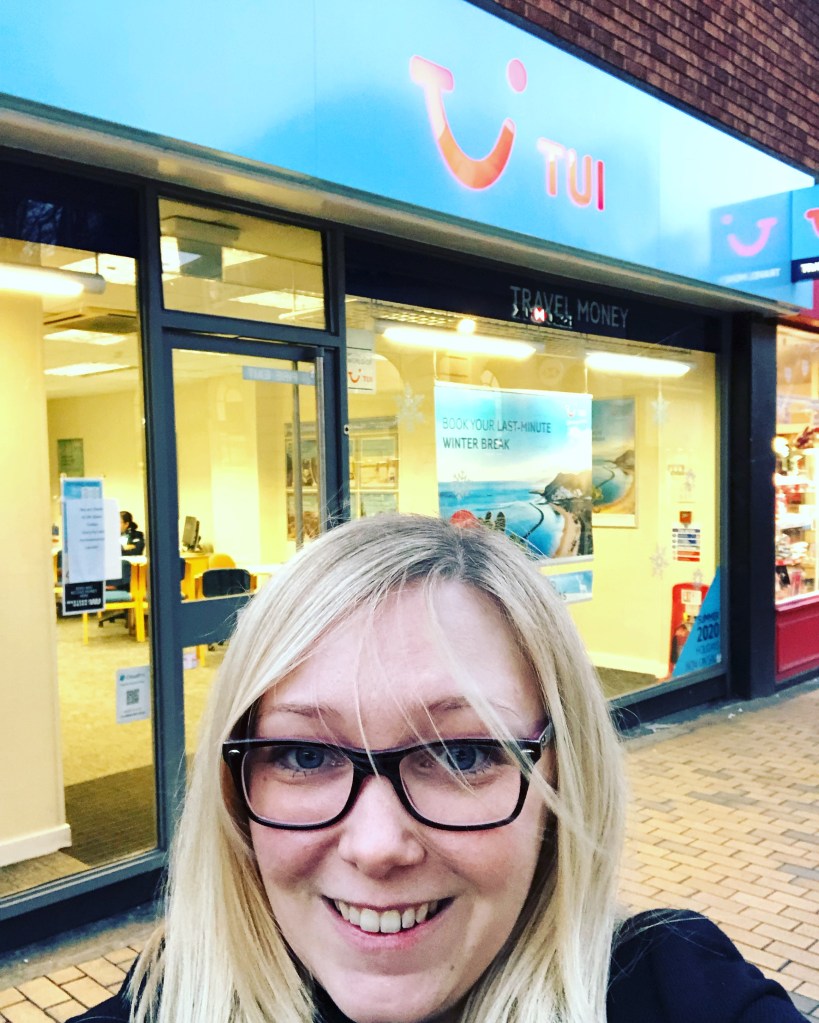
As many of you know, I started my career on the high street as a Lunn Poly sales consultant, I absolutely loved selling holidays and sending people to their dream destinations! So in the post, I’m taking a trip down memory lane to my Lunn Poly “Dolly” days; explaining why today is seen as the most depressing day of the year, and more importantly what we can do actually do to switch up our mood!
Without question, the coronavirus outbreak is having an impact on all of our daily lives, and as we all adjust to the new normal of social distancing, home schooling and the dining tables becoming boardrooms; all this change can have a significant impact upon our mental health.
At the moment, it is difficult to see the light at the end of the tunnel, but there are many things that we can do to positively support our wellbeing during these uncertain times. The things that we already know that are good for managing our mental health such as venturing outside and staying connected to friends and family, have suddenly become more difficult to do, so it’s important we seek new ways to manage our mental health.
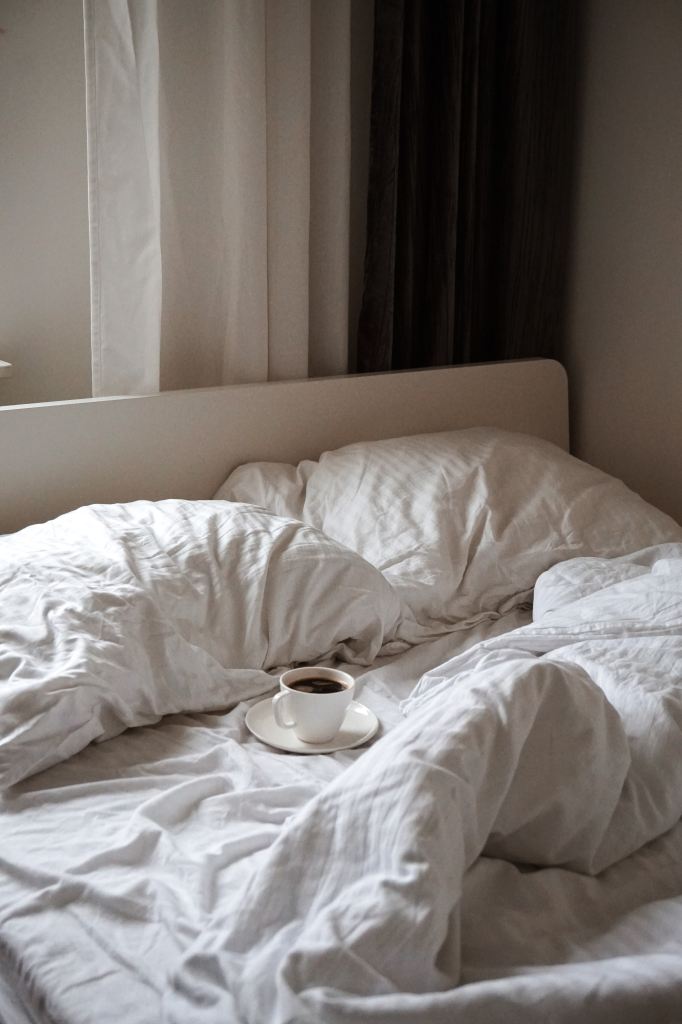
It is said that duvet days originated in the UK in 1997. August One Communications introduced the scheme that allowed employees time off that was not pre-planned or sickness. The idea behind duvet days was to reduce the number of sick days that were taken, specifically the days when an employee is ‘pulling a sickie’.
Benefits of the duvet day
Introducing duvet days can ensure that employees feel that they are being treated with respect. As a result they become more productive in the workplace. The scheme also allows employees to avoid lying to their employers, specifically on days where they are not in the right frame of mind to work. Promoting honesty in the workplace and not lying about being ‘sick’.
Drawbacks of the duvet day
Idleness could be encouraged, and also a lack of responsibility for overindulgence the night before might become the norm in the workplace. If the duvet day does not offer any additional perks to retain staff, then perhaps it isn’t right for your company.
Adding duvet days to your business
To add duvet days to your business you need to think of how you will make it work and also the steps you need to take to implement it. Below is a checklist of things you need to think about:
Implementing a Duvet Day Policy – new and existing employees
Number of days (majority of employers offer two per year)
Time of year days can be taken
Days of the week that can be taken
Duvet days vs mental health days
In 2017 an employee was praised by her employer for taking a ‘mental health’ day. (Read about this story here)
But what is the difference between a mental health day and a duvet day?
A duvet day in essence is a day that is taken when you are not sick but would like a day to rest and recharge yourself. Mental health days are a sick day and employers are encouraged to treat time of work because of mental health the same as days taken off for physical health problems.
While it may be easier for an employee to take a duvet day or say they have food poising to avoid having a conversation about mental health, all employees should be encouraged to talk to their employer to allow for potential reasonable adjustments.
Sickness absence management
Having an employee call in sick is frustrating but inevitable. Employees will have sickness at some time and be unable to attend the work place. Stress as a reason for sickness is difficult to manage and it is on the increase, sick notes being extended and long-term sickness situations can be frustrating to manage. Frustration can come from feeling there is nothing that you can do about this, but there is.

 Natalie Ellis HR