Vote for me! 

If my blog posts inspire you or if you simply enjoy reading them I would be very grateful if you could vote for my in this years People Management Power list! It won’t take very long and it’d be a dream come true to feature!

To vote please click this link http://www.surveygizmo.com/s3/2708998/People-Management-Power-List-nominations

Thank you for your amazing support and I simply couldn’t do all my hard work without you all behind me so a huge thank you!

Employee well-being, how important is it?

well being

In a word; very!!

I have wanted to blog on this topic for a while now but because it is so broad, it is difficult to sum up in one post so I may end up doing some additional snippets afterwards! We all know that a healthy workforce is a productive one but how can employers lead the way to make effective changes so that well-being becomes part of its company values?

These days well-being is much more than just getting a gym membership in your benefits package, whilst that is an incentive for some employees, it really is not a case of one size fits all anymore! You may have seen that recently there has been heightened publicity upon employers to do much more to implement well-being strategies within their businesses. In my opinion, the key thing is to create a culture of well-being and integrate it as part of the company values.

Employers need to equip managers with the correct knowledge, support and tools in order to re-educate employees so they can take accountability of their own well-being. For instance I actively encourage my team to take a 20 minute walk at lunch time, it sounds really simple but by doing such an activity has increased our productivity, releases any office pressures and enables us to bond as a team.

Lucy Wyndham-Read, founder of LWR Fitness emphasises the benefits of taking just 20 minutes to walk every day “lunch time is the best time to invest in your health and by heading out of the office and walking for 10 minutes, turning around and walking back means that you have clocked up 20 minutes of exercise which can burn off around 180 calories. It tones your body, improves your heart health and gives you a super charge of energy for the afternoon, plus you still have 40 minutes left to enjoy your lunch”.

Health and well-being doesn’t just relate to physical health, mental health is also one of HR’s biggest challenges. With a significant increase in absenteeism and work related stress on the rise, what is the best way forward? In short I believe every business is different, so when designing a well-being incentive it really must be fit for purpose by being tailor made for that organisation. Flexible working practices may suit families or those who study outside of work as it allows a work life balance, it is a favourable benefit which is easy to implement but is generally overlooked. Flexibility is in high demand (yes the 9-5 shift is now almost non-existent!) so it is something employers need to be open minded to, some previous companies I have worked in were very sceptical at first but they introduced the idea slowly by opening up their vacancies to parental hours and as a result, it helped the existing employees by allowing them to be more flexible when previously it was more rigid shift patterns with no flexibility. The department became more productive and it was a much happier environment, the business also saw a benefit by increased customer service levels which increased their profit as it strengthened their client relationships.

The changes don’t have to be big, they just need to suit the organisation, and why not engage with the employees to find out what they require within their lives to enjoy their time at work more? You never know, the answer may surprise you! One benefit that really makes an impact is the use of an Employee Assistance Programme. They are relatively inexpensive to businesses and are able to provide impartial services to employees in complete confidence so in all it’s a useful resource to have

There are multiple benefits that such measures will bring to employers when the right well-being package is introduced such as reduced absenteeism. Mental ill health in the UK alone costs over £27 billion a year to business in absence levels. This only highlights the importance for employers to take action and instil wellbeing into their business culture and it should be treated as a priority.

The CIPD created a policy report in January highlighting the key issues that businesses need to tackle in order to progress their workforce into well-being cultures. Inside the report, there is a model which provides the five domains of well-being; health, work, values/principles, collective/social and personal growth. The policy is well worth a read so do and can be found here: http://www.cipd.co.uk/publicpolicy/policy-reports/health-well-being-agenda.aspx for students studying, this may be useful to you!

Whilst HR should take the first steps on implementing well-being initiatives, it is vital to ensure that line managers at all levels of the business are involved to progress and drive the change, without their input it makes the challenge even greater. They are the people who are able to influence the employees by making it a part of their day to day duties as they bring the policies and processes to life.

I hope you have enjoyed this blog post, a huge thanks to Lucy Wyndham-Read (www.lwrfitness.com) for her contribution and as always if you have any suggestions for future posts, comments or questions feel free to get in touch!

Stepping Up

Hello!

It’s been a while since I’ve blogged about Steps Ahead so I wanted to give a bit of an update on my progress as SA Ambassador.

I’m taking my role really seriously and want all young people to have the opportunity to experience this programme.

Recently the CIPD released a Steps Ahead Video describing how the programme works as well as the relationship between mentor and mentee. The video is live on You Tube so do check it out in the link above.

Last week whilst I was on annual leave (work never stops for me and I wouldn’t have it any other way!) I visited the Job Centre Plus at Daventry, Northamptonshire to promote Steps Ahead. The team there were very welcoming and were pleased that we could bring the programme to their local community. The team also asked if I was able to host a workshop with the young people to encourage more onto the scheme as at the moment we have more mentors than mentees!

As a result of my involvement with Steps Ahead, I will be a guest speaker at the SA Mentoring summit in London on 7th June which is really exciting and I’m looking forward to speaking with other mentors to find out what experiences they have had with the programme.

There are a lot more things going on with the CIPD over the coming months so I am really looking forward to sharing it with you as soon as I am able to.

I hope you’re all having a fantastic week and as always feel free to share (sharing is caring!) and if you would like me to blog about any particular topics or ask me a question please add a comment and I will happily respond.


Are we at risk of the discriminated becoming the discriminators?

GPG2

It has been a while since I have blogged as it has been an incredibly busy few weeks with employment law updates and various CIPD branch events so I do apologise for the lateness of my post, hopefully it is worth waiting for!

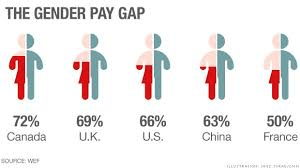
Whilst I have been attending these various events, there has been one trend at each one; money! Changes to the National Living Wage, Apprenticeship Levy, Zero hour contracts and the long awaited outcome of Lock v British Gas all aim to make an impact on employers over the coming months but there has been one topic that has drawn the crowds and has opinions divided; the gender pay gap.

 In the aftermath of International Women’s Day 2016, some say it is a big step for equality (wait for it…), others say it could damage reputations of businesses within industries where the majority employed are men, for example in my industry of manufacturing. Whatever your opinion, these changes are taking effect but businesses will not be required to publicly produce this information until 2018, that is if they choose to do it at all; whilst many may like to see this information, it will not be a legal requirement. Furthermore, given the legal enforcement of the data protection act, there will not be the sufficient evidence available to the public view in order to back up the statistics that employers produce.

GPG

The guidelines state that employers will be required to produce an annual report detailing the levels of pay for it’s male and female employers, they will then need to identify the mean and median numbers in hourly pay and any bonuses. They will also have to disclose the proportion of men to women who receive bonus payments. Whilst this is the main bulk of the report, there are many other elements that need to be included and considered such as sick pay, maternity pay and allowances.

With all of these changes happening, is it too much too soon, too little too late or is it that we are now at risk of highlighting the gaps so much that the discriminated are becoming the discriminators?

So, is this all a load of hot air or just an attempt to appease women with a tick box exercise, or do you think this is beneficial? I’d love to hear your thoughts so do leave me a comment or feel free to ask me any questions, thank you for reading!


Is HR really out of touch?

Smileys

In January’s issue of People Management it was revealed that only 48% of employees knew who HR was and that they had not seen anyone from the function in over 12 months.

I took to Twitter and spoke to many what seemed to be many disgruntled employees, it caused quite a debate! They could not see the purpose of the department or had encountered their HR Manager in not just weeks or months, but YEARS! Some even compared HR to “being on the same level as estate agents” calling them confusing as there are no clear divisions of service. This begs the question, has HR lost touch with its workforce?

HR professionals also voiced discomfort at the findings, stating that the very reason they are part of the profession is to support employees as well at the business, they agreed that more needed to be done to improve relationships and indeed their reputation within their businesses. I 100% agree, it is up to us as HR professionals to get out from behind the desk and get in touch with our people. Since the publication came to light, I myself have made some changes in my diary and also make a point of going around the building and speaking to my colleagues, it is important for HR to be visible as otherwise you’ll end up fading into the beige walls, adding zero value and losing touch with employees.

Is it acceptable that HR are seen as simply too busy with meetings, administrative duties and other commitments that they have forgotten those who they are employed to support? I personally do not think it is and I don’t believe it is the case overall. Many issues can be resolved simply by sitting down with line managers and supporting their requirements to effectively manage their employees. I also think that HR should speak directly to employees to gain a further understanding of company culture and what they need to keep them happy at work (and no, money isn’t always the answer!). A survey cannot replace a relationship, I don’t believe they are effective and I also don’t believe they provide the honest answers needed in these types of situations.

In order for companies to move forward or progress, they must do so with the employees of that business behind them, if they don’t then it’s only a matter of time before the cracks start to show and relationships break down which then creates a divided “them and us” culture and is incredibly difficult to recover from. As Sir Richard Branson said “take care of your employees and they will take care of your customers”. Here are some handy tips that can improve communication and visibility as a HR professional:

  1. Speak to people, pick up the phone and use emails less. Only use an email when required to clarify information
  2. Move around the building, schedule time to go and speak to people, ask them about their jobs and take an interest, we know what they do on paper but do we know what they actually encounter every day
  3. Have an open door policy; going into HR is daunting enough without the locked doors and secret squirrel approach, we’re not MI5! Open the doors and make employees feel welcome!
  4. Get out there! If you have regional sites, schedule some visits and learn about the employees, we recently had our Managing Director go out on a back to the floor style exercise and went out with one of our delivery agents, they get to see what it is really like!
  5. Create an employee forum to meet once a quarter, discuss concerns in an open, non-judgmental environment, this will assist in building trust with the employees and learn what changes could be implemented to make improvements

Only we can create a positive impression of our profession, go out there, speak to your people and be a different story from those within the PM survey.

A huge thank you to those who contributed to my blog post by giving me their views on this controversial topic, by speaking to you I am able to understand the perspectives of others to hopefully inspire HR departments and employees to work together to make improvements. It is up to all of us as we share the responsibilities of our working environments after all.

As always, please feel free to suggest any topics you’d like to see, comment below and I look forward to hearing your views